

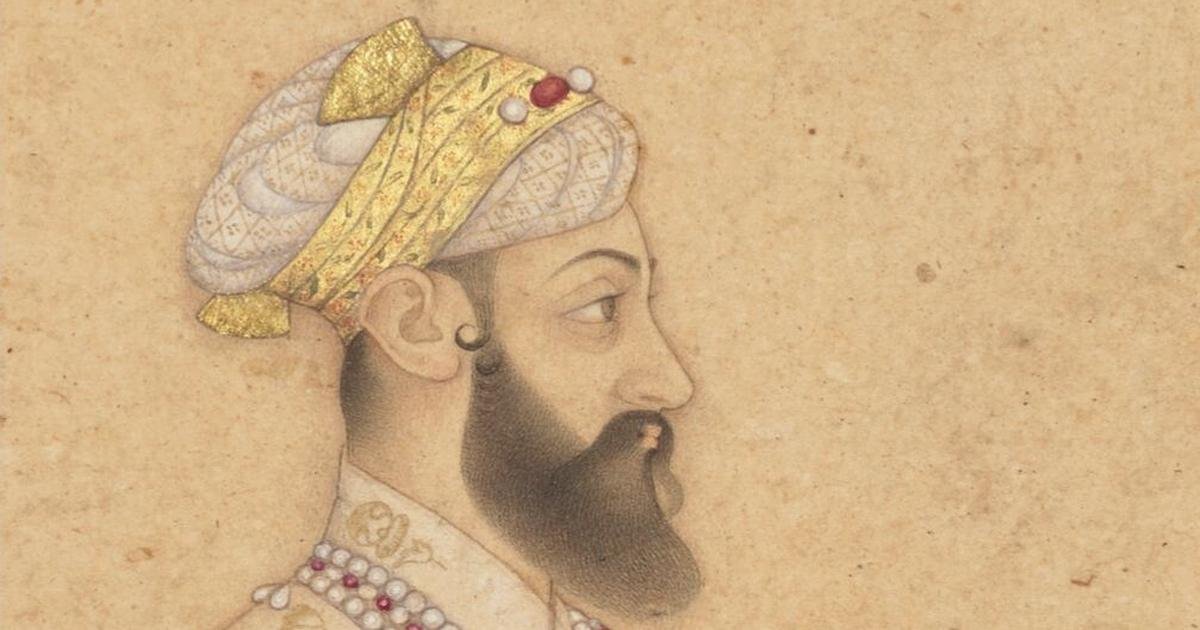
Few historical figures in South Asia’s long and layered past provoke as much heat as Aurangzeb Alamgir, the sixth Mughal emperor who ruled for nearly half a century from 1658 until his death in 1707 at the age of 88. In contemporary India, his name has become a flashpoint: roads renamed, cities rechristened, textbook battles, passionate online disputes and most recently, violence broke out in Nagpur in March 2025 with demands to demolish his grave. Into this charged atmosphere, Munis D Faruqui steps in with a deeply researched and intellectual work that rescues Aurangzeb from both praise and condemnation, restoring him to the complexity of his life and times.
Looking in the archives
To some, he was a religious zealot who undid much of what Akbar had achieved. To others, he was a great Islamic ruler who has been unfairly vilified. Both sides often rely on the same evidence to reach very different conclusions, and neither properly analyses the primary or secondary historical sources. Aurangzeb ‘Alamgir and the Mughal Empire: A History Retold takes a different approach, turning to the historical record and asking: what do the archives actually tell us about Aurangzeb? How did he govern, build and maintain power, and how did he understand his own…
Read more