
A video installation at London’s National Portrait Gallery has been withdrawn after a controversy erupted over claims about the role of former British Prime Minister Winston Churchill in the Bengal famine in colonial India, the BBC reported on Tuesday.
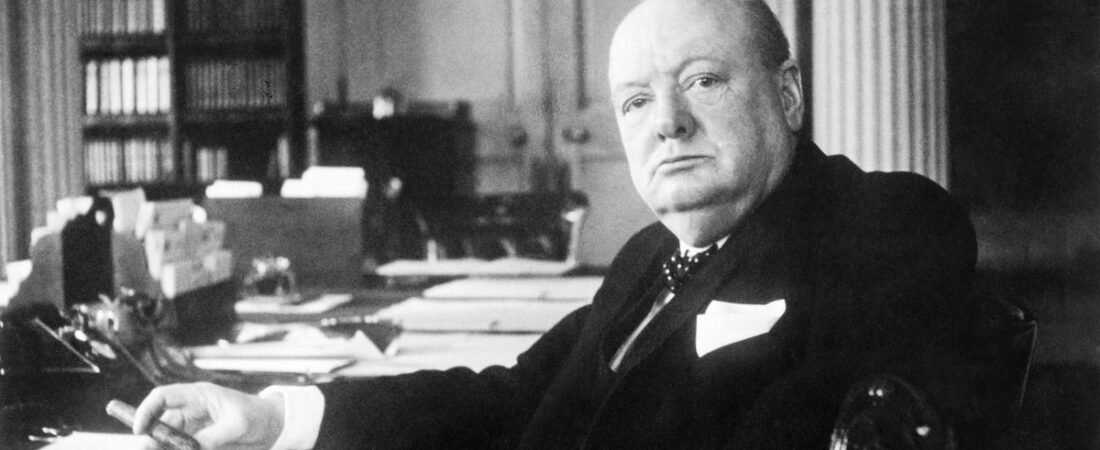
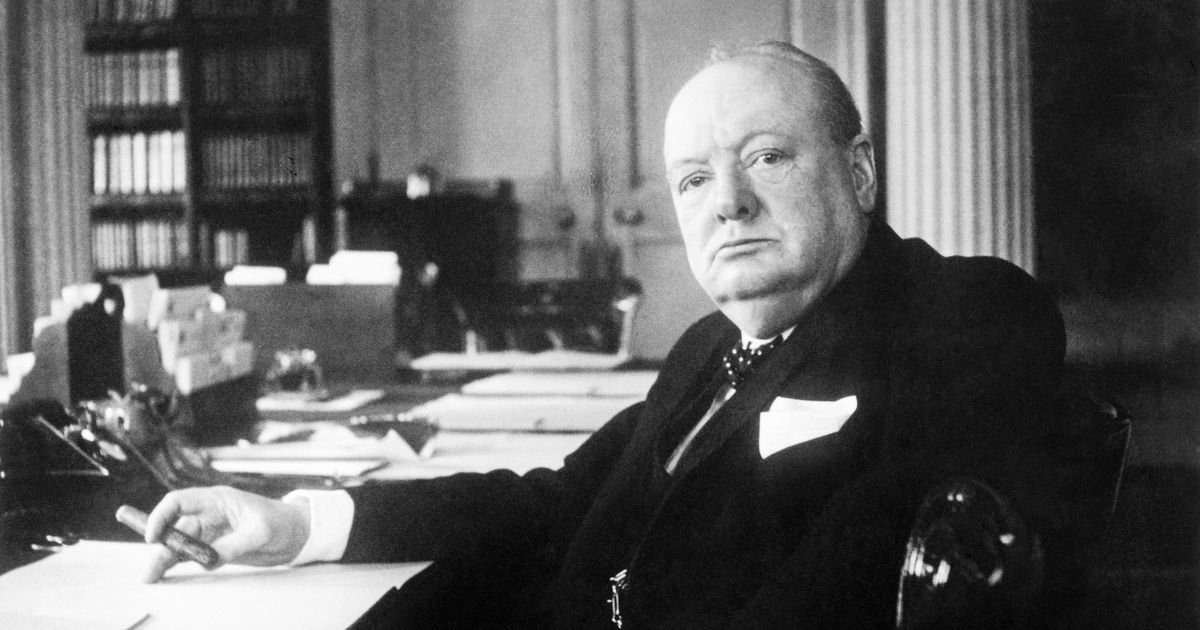
The 40-minute video by artist Helen Cammock, titled Persistence, had been on temporary display at the gallery, scheduled to end in August. In the video, which Cammock narrated, she described 17th-century English soldier and parliamentarian Oliver Cromwell’s military campaigns in Ireland, and remarked that he “starved people en masse, a little like the wilful starvation of the Indian population by Winston Churchill”, The Guardian reported.
The Bengal famine of 1943 resulted in the deaths of an estimated 30 lakh persons in eastern India. Many scholars, including Nobel laureate economist Amartya Sen, have argued that the famine was caused by the wartime policies of the Churchill-led British government, such as failure to control inflation and the prioritisation of food for soldiers.
However, some have maintained that the Japanese invasion of Burma in 1941, which cut off a major source of rice to India, was the primary reason for the famine, rather than Churchill’s policies.
Cammock’s video installation at the National Portrait Gallery earlier this month prompted an open letter to the gallery by historian Andrew Roberts. The letter, signed by 50 peers, alleged…
Read more