
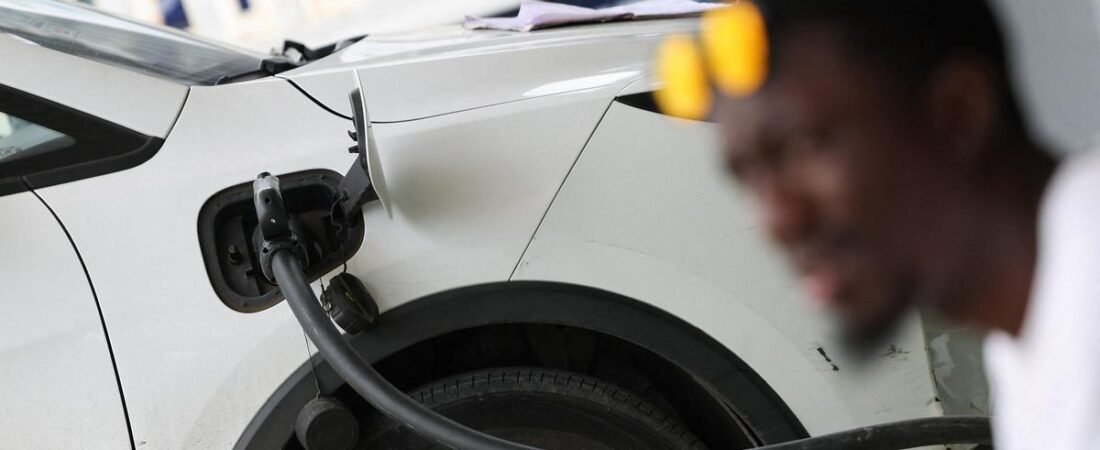
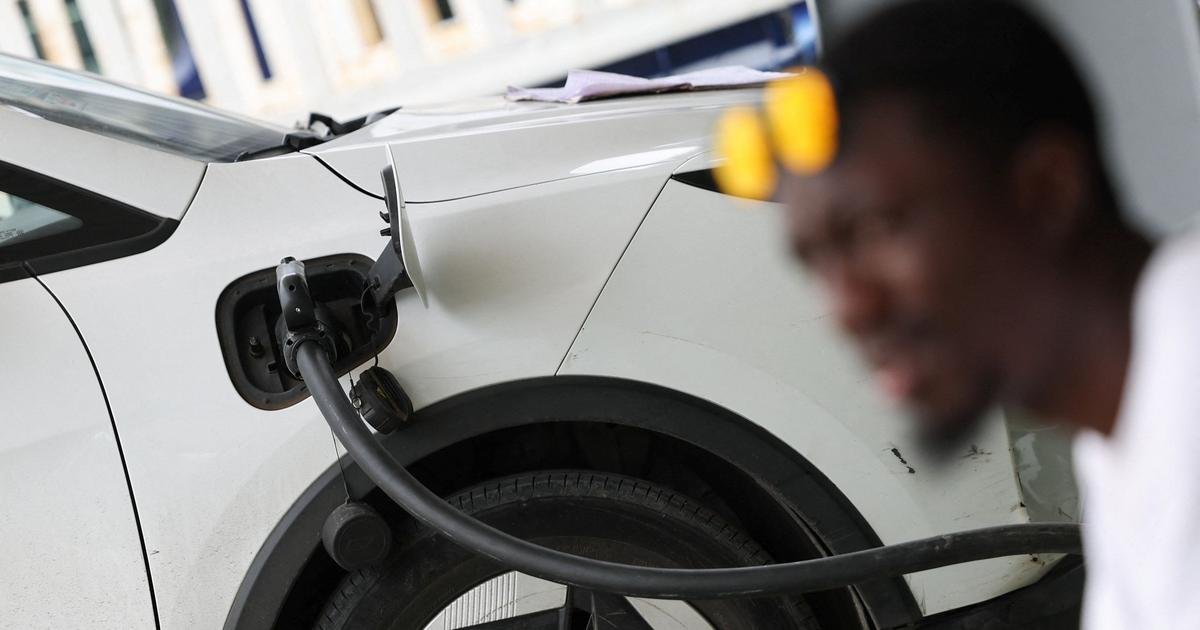
“The rising fuel cost keeps eating into my income,” says 60-year-old Ramsurat, an app-based cab driver in New Delhi. Ramsurat first felt the pinch back in the 90s, when he was a young truck driver in his hometown of Uttar Pradesh. The 1990-’91 Gulf War between Kuwait and Iraq pushed up fuel costs in India, which impacted truck driver incomes, forcing him and others like him to move to Delhi in search of work opportunities.
He recalls that truck drivers back then would paint the fuel tanks of their trucks with witticisms like, Thoda kam peena meri rani, bahut mehengi hai Iraqi paani (Drink less, my queen, the oil from Iraq is pricey).
Since then, there have been multiple global events – hurricanes and wars – that have resulted in fuel price fluctuations. This year, the closure of the Strait of Hormuz amid the US-Iran war has led to yet another massive global fuel crisis, exposing regional and global cooperation on e-mobility.
India has had to revise fuel prices four times since May 15. The fuel shortage has also prompted Prime Minister Narendra Modi to announce austerity measures, requesting people save fuel by using public transport, carpooling and avoiding foreign travel.
Every global crisis creates a “double whammy…
Read more